Structural Cracks and Subsidence: When to Worry and What to Document
If you start noticing cracks running across your walls or ceilings, it is natural to worry. Some cracks are minor and happen as buildings age. Others can point to movement in the property that needs proper attention. If the issue is serious and your landlord keeps ignoring it, it can affect your safety, comfort, and the condition of your home.
If you live in a council or housing association property and the problem has been left unresolved, Claim First says it may be able to help with a housing disrepair claim. The site says it helps tenants across England and Wales with issues including cracked walls or ceilings, damp, mould, leaks, roof damage, unsafe electrics, faulty doors and windows, and other repair problems.
Poor housing conditions are still a major issue in England. The latest English Housing Survey headline findings say 4.0 million dwellings, or 15% of homes, failed the Decent Homes Standard in 2024. The same survey also says 1.4 million dwellings, or 5% of homes, had a damp problem in 2024.
What are structural cracks?
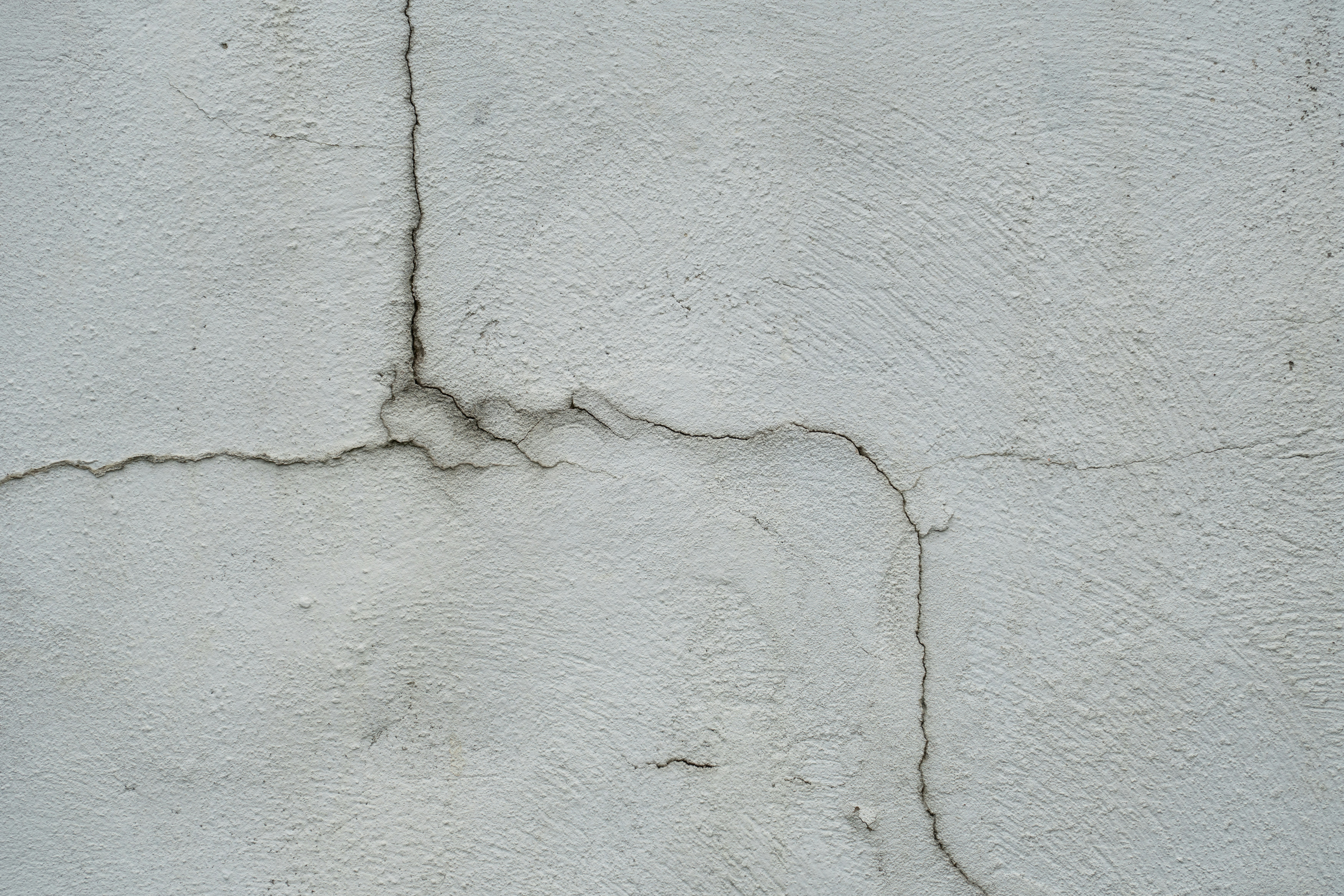
Structural cracks are cracks that may suggest movement in the building rather than just surface damage to plaster or paint. They can show up on internal walls, ceilings, external brickwork, around door frames, or near windows.
Small hairline cracks are common in many homes. They can happen when plaster dries, when temperatures change, or when a building settles slightly over time. That does not always mean there is a major structural problem. The concern tends to rise when cracks are wider, keep getting bigger, come back after repair, or appear alongside other signs such as sticking doors, sloping floors, or gaps around frames.
In simple terms, a crack matters less because of its existence and more because of its pattern, width, and whether the property appears to be moving.
What is subsidence?
Subsidence happens when the ground beneath a property moves downward and the foundations are affected. When that happens, the structure above can shift, which may lead to cracking, distortion, and uneven movement in different parts of the home.
Subsidence can happen for a range of reasons, including:
Clay soil shrinking during long dry spells
Tree roots taking moisture from the ground
Leaking drains washing away soil
Poor ground conditions beneath the property
Historic foundation issues that worsen over time
Not every crack means subsidence. Many homes develop non-structural cracks that are annoying but not dangerous. The problem is that subsidence is 1 of the more serious causes of cracking, so it should never be dismissed without looking at the wider signs.
When should you worry?
You should take the issue more seriously if you notice any of the following:
Cracks that are wider than hairline cracks
Diagonal cracks around doors or windows
Cracks that are wider at 1 end than the other
Cracks that keep growing over weeks or months
Doors or windows that suddenly start sticking
Gaps between walls, skirting boards, or frames
Floors that feel uneven or sloped
Water getting in through damaged walls or openings
A crack is also more concerning if it appears together with damp, mould, leaks, or other clear signs that the property is not being maintained properly. On its housing disrepair page, Claim First lists cracked walls or ceilings as a common issue it can help with, alongside roof or gutter damage, leaks, broken heating, unsafe wiring, and faulty windows or doors.
Why you should not ignore it
Serious cracks are not just a cosmetic problem. They can allow water in, make the home harder to heat, and create openings that lead to further deterioration. In some cases, they can also affect doors, windows, flooring, plaster, and decoration throughout the property.
That matters financially as well as practically. You could end up paying more for heating, replacing damaged belongings, redecorating rooms, or trying to manage damp and mould that followed the original structural issue. In a rented property, those are costs and problems you should not simply be left to carry on your own.
The wider housing picture shows why this matters. The English Housing Survey says the private rented sector had the highest proportion of non-decent homes in 2024 at 22%, while the social rented sector stood at 10%.
What should you document?
If you think the cracks may be serious, evidence matters. Good records can help show what has happened, how long it has been going on, and how the condition of the property has changed.
Try to keep:
Clear photos of each crack
Close-up photos with a ruler or coin for scale
Dated images taken regularly to show change over time
Videos showing sticking doors, gaps, or uneven floors
Notes on when you first spotted the issue
Copies of emails and messages to your landlord
Records of any calls or repair visits
Photos of related damp, mould, or leaks
Receipts for damaged items or extra costs
Medical evidence if the issue has affected your health
Try to keep everything in 1 place so you can build a clear timeline. That can make a real difference if the landlord later says the issue was minor, recent, or never reported properly.
Claim First says you only need a short description of the issues, some photos or videos of the disrepair, and your landlord’s name or housing provider if known to start the process.
How to report the problem properly
Always report serious cracking in writing. A phone call may alert the landlord, but an email or written message gives you a record. Explain where the cracks are, when you first noticed them, whether they are getting worse, and whether other issues have appeared with them.
Your report should cover:
Where the cracks are located
When you first noticed them
Whether they are spreading or widening
Any related issues like damp, leaks, or mould
How the problem is affecting daily life
A request for inspection and repair
Keep copies of everything you send. Save replies too. If contractors attend, note the dates and what they said. If appointments are missed, record that as well.
You can use the contact page if you want to speak to Claim First about whether the situation may fall within a claim.
Can you claim compensation?
If you are living with serious disrepair and your landlord has failed to act after being told, you may be able to pursue compensation as well as push for the repairs to be carried out. Claim First says its housing disrepair service is for tenants in council or housing association homes in England and Wales, and that 1 of its criteria for a no win, no fee case is that the repairs usually need to cost £1,000 or more.
Depending on the facts, compensation may take account of:
Damage to belongings
Distress and inconvenience
Time spent living with the problem
Extra household costs caused by the disrepair
Every case turns on its own facts, but the basic point is simple. If the property is deteriorating and the landlord has not dealt with it properly, you should not just be expected to put up with it.
If you are dealing with a different kind of problem, the site also includes pages for mis-sold car finance claims, scam recovery, scam recovery services, and payday loan refunds.
Take action while the evidence is clear
Structural cracks and possible subsidence are not the sort of issues to leave for later. Some cracks will turn out to be minor, but some are an early sign that the property is moving or worsening. The longer serious movement is ignored, the harder it can be to deal with the damage and prove how long it has been going on.
Take dated photos, report the issue in writing, keep every reply, and build a clear timeline. If your landlord still is not taking action, visit Claim First or start your claim to find out whether you may be able to take the next step.

