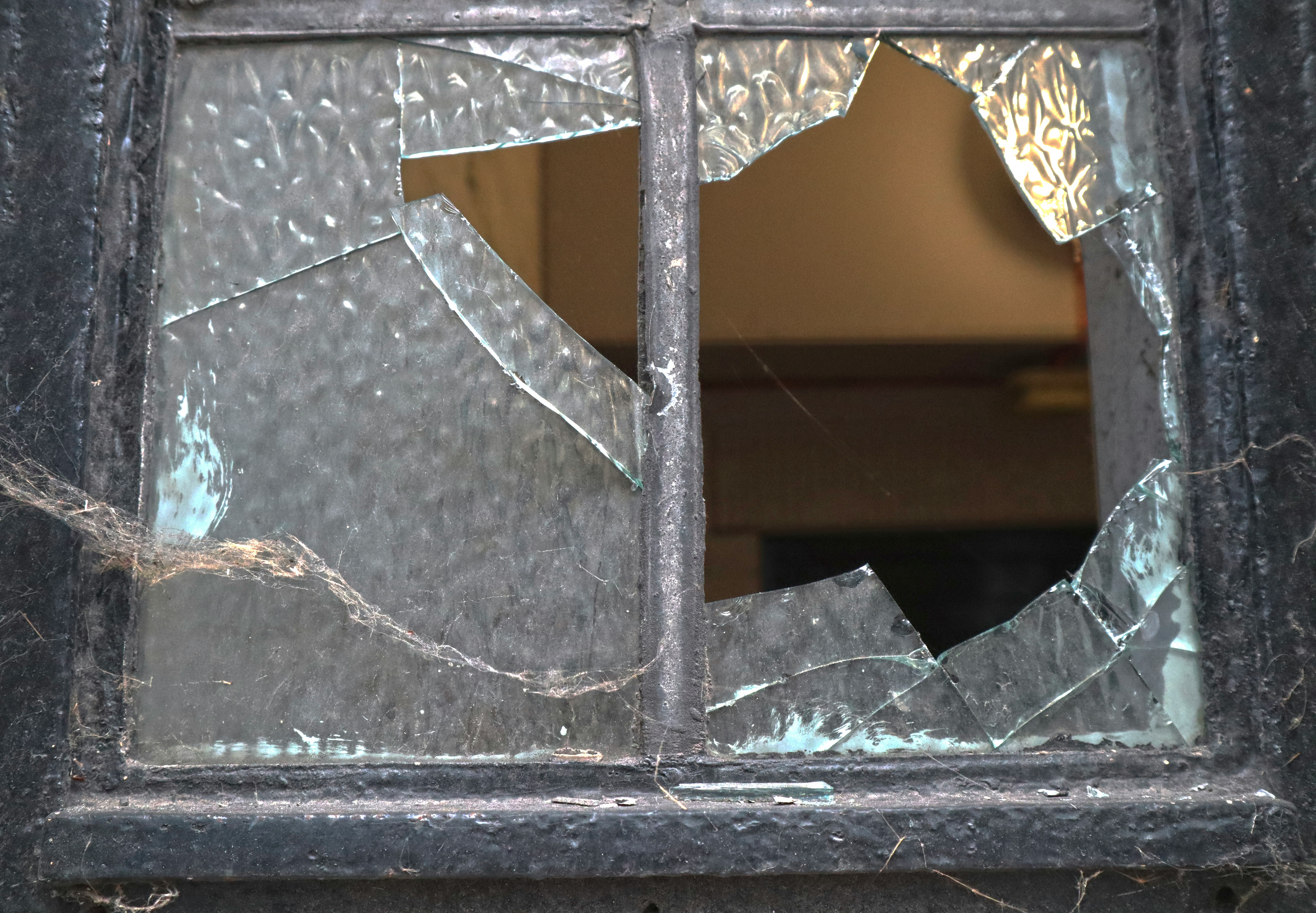
Broken Windows and Insecure Doors: Security Risks and Repair Responsibilities
When you rent a home, you should not have to live with smashed glazing, window frames that do not shut properly, or doors that leave you feeling unsafe. A broken window or insecure front door is not just annoying. It can affect your safety, your belongings, your privacy, your heating bills, and your peace of mind.
If your landlord has been told about the problem and still does not act, the issue can quickly become more serious. What starts as a cracked pane or a faulty lock can turn into a security risk, a damp problem, a cold home, or even the basis of a legal claim.
That is why many tenants who start by reading about housing disrepair claims end up realising the problem is bigger than they first thought. If a door will not lock, a window is stuck open, or frames are rotting, you may be dealing with a landlord who is failing in their repair obligations.
At Claim First, the message is simple: you should not be left chasing basic repairs while living in a property that feels exposed or unsafe. The law gives tenants protections, and landlords are expected to take repair issues seriously.
Why broken windows and insecure doors are more serious than they sound
A lot of landlords treat these issues as minor. You may hear things like “we’ll get to it next week” or “just be careful with it for now”. But broken windows and insecure doors can create real risks in daily life.
The first and most obvious risk is security. In England and Wales, the Crime Survey for England and Wales estimated 342,000 domestic burglary incidents in the year ending September 2025. That was lower than the year before, but it still shows that household security is not a small issue. A home with faulty locks, damaged frames, or windows that do not close properly can feel like an easy target.
There is also the issue of weather exposure. A damaged window or ill-fitting external door can let in rain, draughts, and cold air. Over time, this can contribute to condensation, damp patches, mould growth, warped flooring, and higher heating costs. You may also find that the home simply stops feeling secure and comfortable to live in.
Then there is the emotional side. If you do not feel safe sleeping in your own home because the front door does not lock properly, that matters. If your child’s bedroom window is cracked and draughty in winter, that matters too. Repair problems are not only about bricks, timber, and glass. They affect how you live day to day.
What landlords are usually responsible for
In many rented homes, landlords have legal duties to keep the structure and exterior in repair. Under section 11 of the Landlord and Tenant Act 1985, landlords are generally responsible for keeping the structure and exterior of the dwelling in repair.
That can include items such as external doors, window frames, sashes, and sometimes the glass itself where disrepair is involved.
On top of that, rented homes in England must be fit for human habitation. The Homes (Fitness for Human Habitation) Act 2018 strengthened tenants’ rights by allowing action where a home is not fit because of disrepair or hazards. Government guidance makes clear that rented properties should be safe, secure, warm, and dry.
Security is also recognised within the Housing Health and Safety Rating System, which includes “entry by intruders” as a hazard. In other words, a property that cannot be properly secured can raise health and safety concerns, not just repair concerns.
So if your front door will not lock, the back door is warped, the frame is damaged, or your window catches are broken, that is not something a landlord can simply brush aside forever.
What counts as disrepair with windows and doors?
Not every cosmetic issue becomes a legal problem, but many common faults can amount to disrepair.
Examples include:
Cracked or shattered panes
Rotten timber window frames
Windows that do not shut fully
Broken handles, hinges, or catches
Failed double glazing causing leaks or severe draughts
External doors that do not close properly
Faulty locks or missing locks
Loose frames
Gaps around doors letting in water or cold air
Damaged communal entrance doors in blocks of flats
If the issue affects security, weatherproofing, insulation, or normal use of the property, it may be more than a minor inconvenience. That is especially true where the landlord has known about it for a reasonable time and failed to act.
You can see from the wider services offered by Claim First that housing problems are treated seriously when they interfere with everyday life. A home that cannot be secured properly is not something you should be expected to put up with.
When does a landlord become liable?
In most cases, a landlord is not expected to fix a problem they genuinely do not know about. Liability often starts once they have notice of the problem, or once they should reasonably have known about it.
That means you should report the issue clearly and keep a record. Email is often best because it creates a paper trail. If you report it by phone, follow up in writing. Include photos if possible. Say exactly what is wrong, when it started, and how it is affecting you.
For example, instead of saying “the door is not great”, say:
“The front door does not latch properly and the lock is unreliable. We cannot secure the property properly at night. Cold air is also coming through the frame.”
That sort of detail matters.
Once a landlord has been told, they should carry out repairs within a reasonable time. What is reasonable depends on the seriousness of the problem. A smashed ground-floor window or front door that will not lock is obviously more urgent than a minor sticking latch on an internal door.
Are tenants ever responsible?
Sometimes, yes. If the damage was caused deliberately or through negligence by you, someone in your household, or your visitors, the position can be different. For example, if a window was broken because of reckless behaviour inside the property, the landlord may argue that the cost should not fall on them.
But landlords do not get to blame tenants automatically. Wear and tear, faulty installation, rotten frames, failed fittings, rusted locks, swelling timber, and older doors falling out of alignment are not usually your fault simply because you were the person living there when the problem appeared.
This is one reason evidence matters. If you have photos showing long-term deterioration, earlier complaints, or signs the issue built up over time, that can help show the defect was not something you caused.
Why insecure doors and windows can lead to other housing problems
These issues rarely stay in one lane. A broken window often becomes a heating problem. A warped external door can become a damp problem. A damaged frame can allow water ingress, which leads to staining, mould, peeling paint, and damage to flooring or plaster.
If you are already dealing with leaks, black mould, or cold spots, it may help to read more about the broader process on the housing disrepair page. Many disrepair claims involve several connected faults rather than a single isolated problem.
This matters because the impact on you can be wider than the original defect. You might end up paying more for heating. You may need to replace damaged belongings. You could lose sleep because you do not feel safe. If children are in the property, or if somebody has asthma or another health condition, the consequences can be even worse.
What about social housing and newer legal changes?
If you are in social housing in England, the legal landscape has become stricter. Awaab’s Law came into force for the social rented sector on 27 October 2025. From that point, social landlords have had to address emergency hazards and significant damp and mould hazards within fixed timeframes.
Government guidance also states that further hazard categories are due to be brought into scope from 2026.
While Awaab’s Law is widely associated with damp and mould, the bigger point is that housing safety is now under much sharper scrutiny. Where disrepair creates a genuine hazard, delays become harder for landlords to justify.
There is also ongoing reform around rented homes more generally. Government guidance linked to the Renters’ Rights Act says new requirements will be applied to the private rented sector too, including rules around dealing with hazards such as damp and mould within specified periods.
So even though every case depends on the exact tenancy, location, and type of landlord, the direction of travel is clear: landlords are under increasing pressure to deal properly with unsafe homes.
What you should do if your windows or doors are unsafe
If you are dealing with these issues now, try to keep things practical.
1. Report the problem in writing
Send an email or message that clearly explains the defect. Include when it started, where it is, and why it is urgent.
2. Take dated photos and videos
Get clear images of cracked panes, broken locks, gaps in the frame, water coming in, or handles that do not work.
3. Keep a timeline
Note every report, reply, missed appointment, and promise to repair. A simple note on your phone is enough.
4. Keep receipts if the disrepair costs you money
If you have had to replace damaged belongings, pay for temporary security measures, or spend more on heating because of the defect, keep proof where you can.
5. Escalate if the landlord ignores you
For social housing, that may mean using the formal complaints process. For private renting, it may mean speaking to the council’s environmental health team or getting legal advice.
If you need support understanding next steps, the contact page gives you a direct way to ask about your situation.
Can you claim compensation?
Potentially, yes. A housing disrepair claim is not only about forcing repairs. In some cases, you may also be able to claim compensation for the inconvenience, distress, loss of amenity, damage to belongings, or health impact caused by the landlord’s failure to act.
That does not mean every cracked window leads to a payout. But where the defect was serious, went on for a long time, and affected your use of the property, compensation may become part of the picture.
Claim First presents its housing disrepair service as a simple route for tenants dealing with damp, mould, leaks, unsafe electrics, and similar problems, with a no win, no fee approach.
If you are wondering how the wider process works, you can also look through about us, where Claim First explains its straightforward approach, or check the general home page for an overview of how claims are handled.
Can your landlord evict you for complaining?
Tenants often worry about this, especially when they are already feeling vulnerable. The short answer is that a landlord cannot lawfully evict you simply because you raised a legitimate repair issue or made a proper legal claim. Claim First’s housing disrepair page states this plainly in its FAQs.
That said, housing situations can be complicated, especially in the private rented sector, so it is sensible to get advice early if you think your landlord is retaliating or threatening you.
Why acting early matters
The longer you leave broken windows and insecure doors, the easier it becomes for the landlord to minimise the problem or argue about when it started. Acting early also gives you the best chance of preventing knock-on damage.
A door that is misaligned today might become a failed lock tomorrow. A cracked pane today might become water damaged and mould in 2 months. Small repair delays often become bigger legal problems because nobody dealt with them when they were still manageable.
If you want to understand how Claim First positions its support more broadly, pages such as FAQ’S and complaints procedure also help show the process is meant to be transparent and structured. You can also review practical site information like privacy & cookies, terms and conditions, and accessibility if you want to check how the firm operates.
Final thoughts
Broken windows and insecure doors are not minor issues when they leave you exposed, cold, stressed, or worried about your safety. In many cases, landlords are responsible for keeping the structure and exterior in repair, and that can include windows, frames, external doors, and locks. If the defect creates a security risk or affects the habitability of the home, the issue becomes even more serious.
You should not have to live in a property where you cannot properly lock the front door or where damaged windows are left unrepaired for weeks or months. If you have reported the problem and nothing meaningful has happened, it may be time to take the next step.
If your landlord is ignoring broken windows, damaged frames, or insecure doors, speak to Claim First and find out whether you could make a housing disrepair claim. You may be able to get the repairs pushed forward and claim compensation for what you have been forced to live with.

