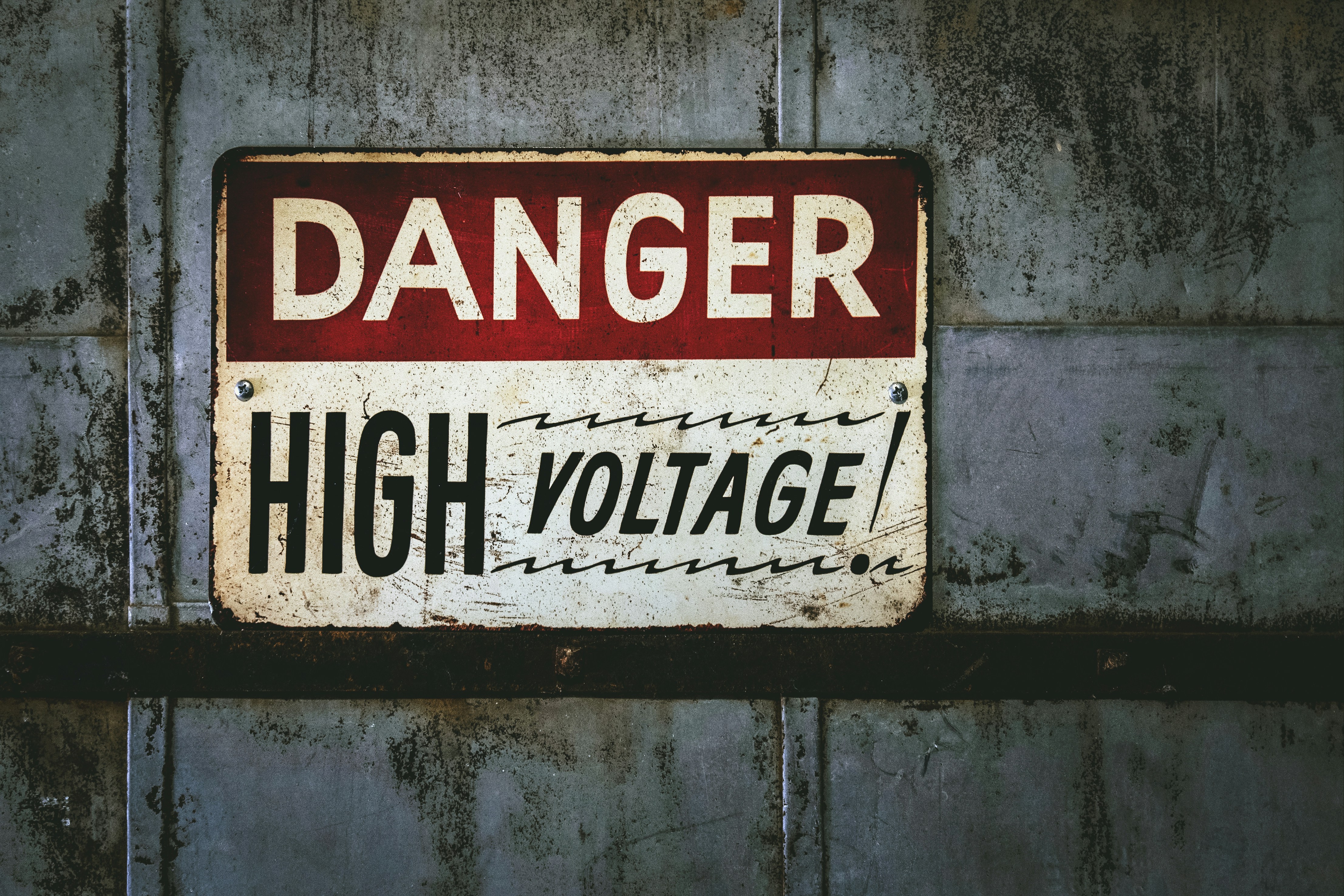
Electrical Hazards in Rental Properties: Signs Your Home May Be Unsafe
When you rent a home, you should not have to worry about whether the electrics are safe. You should be able to switch on a light, charge your phone, or use your cooker without wondering if faulty wiring, a damaged socket, or an overloaded circuit could put you at risk.
Electrical hazards in rented homes are not minor issues. They can lead to electric shocks, fire risks, damaged appliances, and ongoing stress. On the Claim First website, unsafe electrics are specifically listed as one of the housing problems that may fall within a housing disrepair claim.
If you have reported electrical problems and your landlord still has not dealt with them properly, you may have more options than you think.
Why Electrical Safety Matters In A Rented Home
Electrical problems can become dangerous very quickly. A socket that sparks, a fuse board that trips again and again, or a burning smell near a switch should never be brushed aside as “one of those things”.
In England, landlords must make sure the electrical installations in rented properties are inspected and tested by a qualified person at least every 5 years.
They must also give tenants a copy of the electrical safety report, and if the report identifies remedial work or further investigation, that work usually has to be completed within 28 days, or sooner if the report says so.
That means if you are living with obvious electrical defects, your concerns are not unreasonable. They may point to a legal safety issue that should already have been addressed.
You can get a clearer feel for the service and approach on Claim First’s home page and About Us page.
Signs Your Home May Be Electrically Unsafe
Some warning signs are obvious. Others are easier to overlook at first. The key is not to ignore recurring problems.
Flickering Or Dimming Lights
If your lights flicker regularly, dim for no clear reason, or change when you turn on another appliance, it may suggest a fault in the wiring, an overloaded circuit, or a loose connection.
A single flicker is not always a sign of serious trouble. Repeated flickering is different. If it keeps happening, it is worth recording which rooms are affected and when it happens.
Sockets That Spark, Crackle, Or Feel Hot
Plug sockets should not be hot to the touch. They should not buzz, crackle, or show signs of damage. Repeated sparking, scorch marks, or loose fittings can all be warning signs of overheating or electrical faults.
If a socket is cracked, blackened, or pulled away from the wall, stop using it and report it straight away.
Burning Smells Near Switches Or Fittings
A burning smell coming from a socket, light fitting, fuse box, or wall should always be treated seriously. The same goes for brown marks, melted plastic, or singeing around switches.
These are classic signs that something may be overheating. That is not the sort of issue you should monitor for a few weeks and hope improves by itself.
Fuse Board Trips Or Repeated Loss Of Power
If your electricity trip often, especially during normal day-to-day use, that can point to an overloaded system or an electrical fault that needs proper investigation.
One-off trips can happen. Regular trips are a different matter. If your power cuts out frequently, or certain circuits keep failing, the system may not be safe.
Exposed Wiring Or Broken Electrical Fittings
Exposed wires, hanging fittings, broken switches, damaged light fixtures, or poorly fitted sockets are all signs that the electrics may need urgent attention.
This can be even more dangerous if children live in the property, or if the damage is in a kitchen, bathroom, or hallway where the area is used every day.
Mild Shocks Or Tingling Sensations
If you feel even a small shock or tingling sensation when touching a switch, socket, or appliance, take it seriously. You should not be getting any sort of electric shock in normal use.
That sort of problem can indicate a serious fault and should be reported immediately.
What Your Landlord Is Expected To Do
If you rent in England, your landlord has legal responsibilities when it comes to electrical safety. The government guidance says electrical installations must be inspected and tested at least every 5 years by a qualified person, tenants must receive a copy of the report, and remedial work flagged by the report must be completed within the required timeframe.
Local authorities can also take enforcement action, and financial penalties can reach up to £30,000 for breaches.
So if you have already raised concerns and nothing meaningful has happened, that is not something you simply have to accept.
If you want to see how Claim First presents client experiences, you can also look through their testimonials page.
What You Should Do If You Notice Electrical Hazards
You do not need to diagnose the technical cause yourself. You just need to take sensible steps and keep good records.
Report The Problem In Writing
Email your landlord, housing association, managing agent, or council landlord and explain exactly what is wrong. Include when the issue started and how often it happens.
Take Photos And Videos
If there are visible signs such as scorch marks, broken sockets, damaged fittings, or exposed wires, photograph them clearly. If lights flicker or power keeps cutting out, short videos can help.
Keep A Record Of Everything
Make a note of:
When you first noticed the problem
When you reported it
Who you reported it to
What response you received
Whether anyone came out to inspect it
Whether the problem got worse
Avoid Using Anything That Looks Unsafe
Do not continue using sockets, switches, or fittings that seem dangerous. If something smells burnt, sparks repeatedly, or feels hot, stop using it.
Look At The Bigger Picture
Electrical hazards often appear alongside wider disrepair issues, such as leaks, damp, mould, or broken fixtures. Claim First’s website makes clear that housing disrepair claims can involve problems like damp, mould, leaks, and unsafe electrics.
If you need help taking the next step, their contact page gives you a direct way to get in touch. Claim First lists its contact email as [email protected], phone number as 020 8028 6753, and office hours as Monday to Friday, 9am to 6pm.
Could You Be Entitled To Compensation?
If your landlord knew about serious electrical problems and failed to put them right within a reasonable time, you may be able to pursue a housing disrepair claim.
On the Claim First website, the housing disrepair service states that tenants dealing with problems such as damp, mould, leaks, and unsafe electrics could claim “£1,000s” and seek to get repairs enforced.
Every case depends on its own facts. The strength of your evidence, how long the issue has gone on, what effect it has had on you, and whether the landlord was given proper notice can all matter.
If you want to understand more about how the business presents its services more broadly, you can also browse mis-sold finance claims, scam recovery, and the wider services on the main site.
Do Not Ignore The Warning Signs
One of the biggest problems in rented housing is that tenants often wait and hope things will improve. You may not want to make a fuss. You may think the issue is not serious enough yet. But with electrical hazards, waiting can be risky.
If lights keep flickering, sockets are overheating, or you are seeing scorch marks and exposed wiring, those are signs your home may not be safe.
You can also review Claim First’s Complaints Procedure, Privacy Policy, and Terms and Conditions if you want more background on how the site and claims process are presented.
Speak To Claim First
You should not have to live in a property where unsafe electrics are being ignored. If you have reported the problem and your landlord still has not dealt with it, now is the time to act.
Visit Claim First’s housing disrepair claims page or use their contact page to start your enquiry and see whether you may be able to claim compensation and push for the repairs your home needs.

