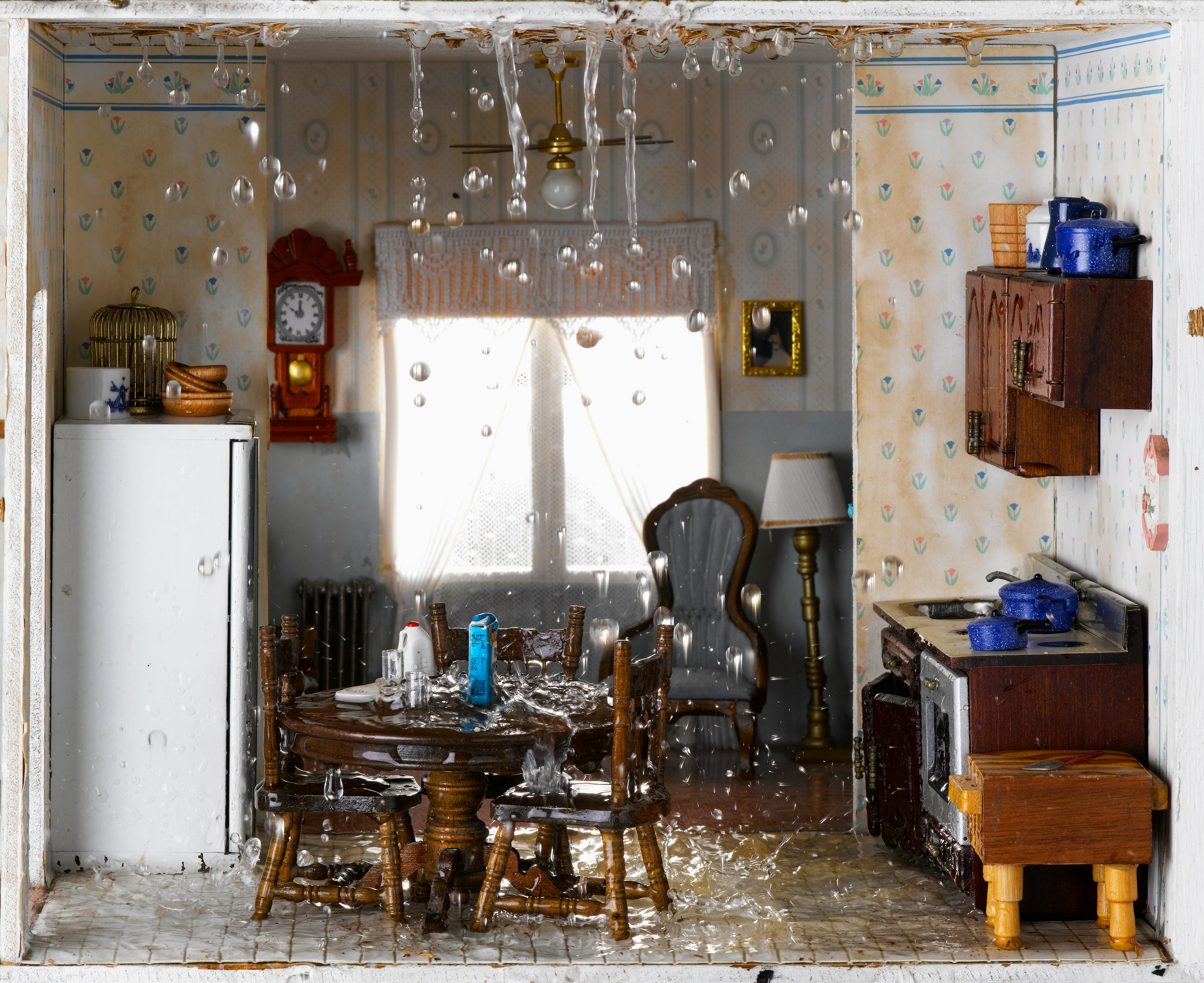
Kitchen and Bathroom Disrepair: Poor Ventilation, Leaks, and Rot
Your kitchen and bathroom should be safe, usable, and properly maintained. When they are not, everyday problems can quickly turn into something much more serious. A small leak under the sink can damage cupboards and flooring. A broken extractor fan can leave steam trapped in the room day after day. Worn sealant around a bath or shower can let water seep into walls, ceilings, and timber until rot starts to set in.
If you live in a council or housing association property, these are not the kinds of issues you should simply be expected to live with. On the Claim First homepage, the firm explains that it helps people pursue claims in areas including housing disrepair on a no win, no fee basis.
Its housing disrepair service says it helps eligible tenants in council or housing association homes across England and Wales where landlords have failed to act.
Why kitchen and bathroom disrepair matters
Kitchens and bathrooms deal with more moisture than almost anywhere else in your home. Steam from cooking, boiling kettles, washing up, baths, and showers creates condensation very quickly. If the room has poor ventilation, that moisture has nowhere to escape to. Over time, it settles on ceilings, walls, windows, tiles, cupboards, and flooring.
That is when the bigger issues start. You may notice black mould around windows, peeling paint, soft skirting boards, swollen kitchen units, cracked grout, and a constant damp smell that never really goes away.
Government guidance for rented homes is clear that damp and mould can create serious health risks, and Citizens Advice says a landlord should investigate the actual cause rather than simply blaming the tenant.
Poor ventilation is more than an inconvenience
A lot of people are told to open a window more often or wipe down surfaces more regularly. In some homes, that might help slightly. But where an extractor fan does not work, where there is no proper airflow, or where the room has an ongoing ventilation problem, that advice does not fix the real issue.
The English Housing Survey found that inadequate ventilation is strongly linked with damp problems. In the 2023 to 2024 survey, more than 60% of dwellings with inadequate ventilation also had a damp problem. More recent headline findings for 2024 to 2025 also reported 1.4 million dwellings in England with a problem with damp, with higher rates in rented sectors than in owner-occupied homes.
In simple terms, if steam cannot escape, the room stays wet. If the room stays wet, surfaces break down faster. That can then lead to mould growth, damaged plaster, stained ceilings, and timber decay.
Leaks often cause wider damage than you first realise
Leaks in kitchens and bathrooms are especially disruptive because they affect rooms you need to use every day. A leaking tap, pipe, waste outlet, toilet, bath, or shower tray can do more than cause a puddle. Water can spread behind panels, under vinyl, through flooring, and into adjoining walls before the full extent of the damage becomes obvious.
You might first notice one cupboard smelling musty. Then the back panel starts to bow. Then the floor becomes soft underfoot. In a bathroom, the problem may show up as cracked tiles, loose flooring, or staining on the ceiling below. In a kitchen, it may ruin units, worktops, or wall finishes.
If those issues are left too long, the repair is rarely just a quick fix. It can turn into a much larger job involving plumbing, joinery, plastering, mould treatment, and replacement materials.
Rot is a sign that the problem has been there for a while
Rot does not usually happen overnight. It is often a sign that moisture has been getting into wood or timber-based materials for weeks or months. In a bathroom, that might affect flooring around the toilet, basin, or bath. In a kitchen, it may appear in base units, window frames, skirting boards, or under-sink cupboards.
Once timber starts to break down, the room can become both unpleasant and unsafe. Cupboards may become unstable. Flooring can weaken. Mould may follow. If you are having to avoid parts of the room because they feel damaged, damp, or unsanitary, the issue has gone well beyond minor wear and tear.
What your landlord is expected to do
If you have told your landlord about leaks, damp, mould, or damaged fittings, they should not simply ignore the issue or keep sending someone out to do a temporary patch-up. Shelter and Citizens Advice both make clear that landlords are responsible for dealing with repair problems and investigating the causes of damp and mould.
This is especially important in social housing. Government guidance on Awaab’s Law states that from 27 October 2025, social landlords in England must meet set timeframes for emergency hazards and for damp and mould hazards that present a significant risk of harm.
Shelter’s guidance explains that councils and housing associations must investigate significant damp and mould problems within 10 working days and make the home safe within 5 working days after the investigation.
That does not mean every leak or extractor fan issue automatically becomes a legal claim. But it does mean serious kitchen and bathroom disrepair should be dealt with properly and within a reasonable time.
What you should do if the problem is still not fixed
If your kitchen or bathroom has ongoing disrepair, good evidence can make a real difference. Try to keep a clear record of:
When the problem first started
When you reported it
Who you reported it to
Any replies you received
Missed appointments or incomplete repairs
Photographs and videos showing the damage
Damage to belongings or furniture
The way the issue has affected your daily life
The Contact page invites people dealing with housing disrepair to get in touch, and the dedicated Housing Disrepair Claims page asks for details of the disrepair together with supporting photos. That same service page says Claim First helps council and housing association tenants across England and Wales.
When it may be worth getting help
It may be worth seeking help if your landlord has known about the problem and it still has not been properly resolved. That can include situations where:
The leak keeps returning
Mould comes back because ventilation has not been fixed
Bath or shower seals have failed and water damage is spreading
Cupboards, floors, or walls are rotting
You cannot use the kitchen or bathroom properly
The condition of the room is affecting your comfort, hygiene, or health
Claim First describes itself on its About Us page as a UK-based team focused on making the claims process simple and clear, and its wider Services page sets out the types of claims it handles. If you want to understand how the process works, you can also review the site’ Complaints Procedure, Privacy Policy, and Terms and Conditions.
Other useful pages on the Claim First website
If you are browsing the site and want a fuller picture of the company, you can also visit the main Services overview, learn more about Claim First, or go straight to the housing disrepair service. The site also includes other claim areas such as mis-sold car finance claims, payday loan refunds, and scam recovery, which can help strengthen internal navigation across the website.
You should not have to live with it
A damp bathroom, a leaking kitchen, or units and flooring that are rotting from long-term water damage are not problems you should be expected to put up with indefinitely. When repairs are delayed, the condition of the room can get worse, the disruption can grow, and the cost of putting it right can rise.
If you have reported the problem and nothing meaningful has changed, it may be time to speak to a specialist team. You can start by visiting the Housing Disrepair Claims page or using the Claim First contact form to check whether your situation may be eligible.
FAQs
Can poor ventilation in a bathroom count as housing disrepair?
Yes, it can. If the room does not have proper ventilation, or the extractor fan is broken and the result is ongoing condensation, damp, or mould, that may form part of a housing disrepair issue. The key point is whether the underlying problem has been reported and whether the landlord has failed to act.
Is a leak under the kitchen sink enough to make a claim?
Not every small leak will lead to a claim on its own. But if the leak causes ongoing damage, affects your use of the room, leads to mould or rot, or has been reported without being properly fixed, it may become a much more serious matter.
What if the bathroom floor or kitchen cupboards have started rotting?
Rot usually suggests that water has been getting in for some time. If cupboards, flooring, or timber are breaking down, that is a strong sign the issue needs more than a cosmetic repair. Take photos, keep copies of your reports, and record how long the problem has been going on.
Do Claim First’s housing disrepair claims cover private tenants?
The Housing Disrepair Claims page says the service is for people living in council or housing association properties, and that it helps eligible tenants across England and Wales.
How much does it cost to start a claim with Claim First?
The Claim First website states that claims are handled on a no win, no fee basis, with no upfront cost to start.
What should I do first?
Start by reporting the issue in writing if you have not already done so. Then gather photos, videos, and copies of any emails or messages. After that, you can contact Claim First to discuss whether your kitchen or bathroom disrepair may qualify for further action.

