
Blogs
Damp and Mould in Rented Homes: Your Rights and What Landlords Must Do
If you’re living with damp and mould, you’re not being “too fussy” , you're dealing with something that can affect your health, your belongings, and your quality of life. And you shouldn’t have to put up with it in a rented home.
The frustrating bit is that damp and mould can drag on for months when landlords ignore repairs, blame “condensation”, or send someone round to wipe the wall and call it done. But you do have rights and there are clear responsibilities landlords must follow once they know there’s a problem.
In England, the English Housing Survey has found damp is more common in private rented homes (9%) than in owner-occupied homes (4%).
What counts as damp and mould (and why it matters)
Damp and mould usually show up as:
Black spots or fuzzy patches on walls/ceilings
Musty smells that don’t go away
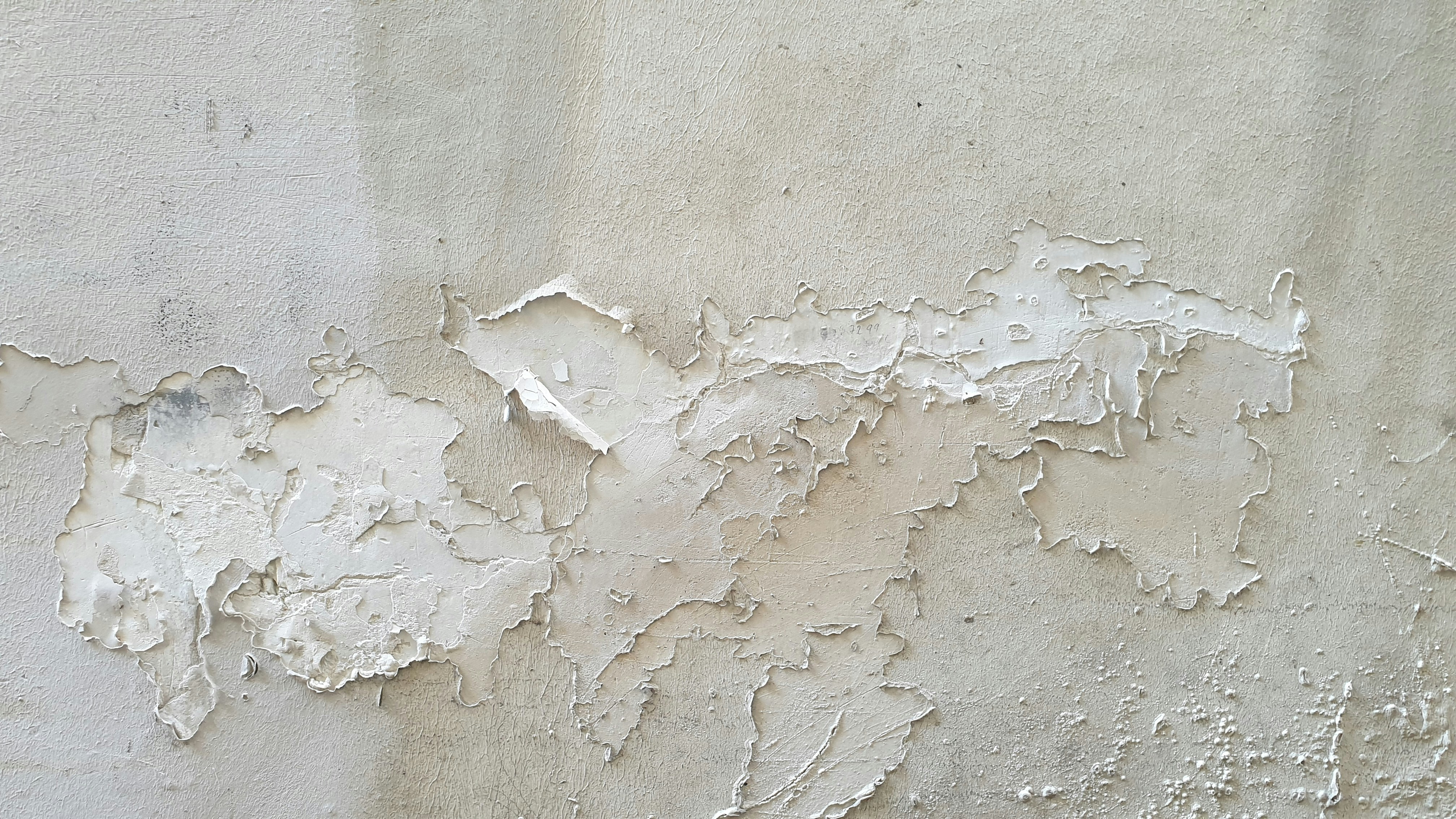
Peeling paint, bubbling plaster, or damp patches
Condensation that’s constant (especially in bedrooms)
Clothes and soft furnishings going mouldy
It’s not just cosmetic. Government health guidance links damp and mould exposure to respiratory symptoms like cough, wheeze, and shortness of breath, and it can increase infection risk for some people.
Your landlord’s responsibilities
Most damp and mould issues have an underlying cause and landlords are expected to deal with the cause, not just the visible mould.
Depending on what’s driving the problem, that can include:
Fixing leaks (roofing, gutters, pipes, bathrooms, radiators)
Repairing damaged windows/brickwork letting water in
Sorting ventilation (extractor fans that actually work, air bricks, trickle vents)
Addressing heating/hot water issues that make it hard to keep the home warm and dry
Dealing with structural issues that create persistent moisture
Landlords also have general repair obligations under Section 11 of the Landlord and Tenant Act 1985 (structure/exterior and key installations like plumbing and heating). And your home must be kept fit for human habitation, including “freedom from damp” as part of what’s considered fit.
If you’re in social housing, there are now stricter rules in England under Awaab’s Law (phased in from 27 October 2025) requiring social landlords to respond to serious damp and mould risks within set timeframes.
What you should do next (step-by-step)
1) Report it properly (and keep a record)
Tell your landlord/agent in writing. Be specific:
Where it is (rooms/walls)
How long it’s been happening
Any health impact (especially for children, asthma, allergies)
What you believe is causing it (if you know — leaks, broken fan, etc.)
Tip: If you can, send an email and also use the repairs portal/app so there’s a clear trail.
2) Gather evidence (this really helps)
Start a simple folder on your phone:
Dated photos/videos (wide shot + close-up)
Any visible leaks/damage
Screenshots of messages and repair requests
Receipts for ruined items (clothes, bedding, furniture)
Notes of symptoms/medical visits if relevant
3) Give access but don’t accept “wipe and go”
If they send a contractor, let them inspect, but don’t let the landlord fob you off with a quick clean and paint job. If the mould returns, the root cause hasn’t been fixed.
4) Escalate if you’re being ignored
If your landlord won’t act, you can contact your local council’s environmental health / private sector housing team. Councils can inspect using the Housing Health and Safety Rating System (HHSRS), where damp and mould growth is a recognised hazard.
Can you claim compensation for damp and mould?
In many cases, yes especially if:
The problem has gone on for months
You’ve reported it and nothing meaningful happened
It’s affected your health, comfort, or belongings
Your home has been partly unusable (e.g., bedroom/bathroom)
Compensation depends on how severe the issue is, how long it’s lasted, and how it’s affected you — but tenants often look for repairs to be enforced as well as financial compensation.
If you want to understand your options, Claim First’s Housing Disrepair Claims page explains the basics and what you may need to get started.
How Claim First can help
If you don’t want the stress of chasing, documenting, and arguing back and forth, you can get help through Claim First. They focus on making the process simple and handling the legwork especially for housing disrepair issues like damp, mould, and leaks.
FAQs
1) Can my landlord blame me for condensation?
They might try but it depends on the cause. If the home has poor ventilation, broken extraction, leaks, or inadequate heating systems, the landlord may still be responsible for fixing the underlying problem. The key is evidence: photos, repair reports, and a record showing you reported it.
2) What if I keep wiping the mould away but it comes back?
That usually means the cause hasn’t been fixed. Cleaning can help short-term, but landlords should address the reason moisture is building up (leaks, insulation gaps, ventilation failures, etc.). If it’s recurring, keep documenting it.
3) Will complaining get me evicted?
You have legal protections, and in social housing Awaab’s Law has strengthened expectations around damp and mould hazards in England. If you’re worried, keep everything in writing and get advice early rather than waiting until it becomes a bigger fight.
4) How long should repairs take once I report damp and mould?
There’s no single timeline for every tenancy type, but if damp and mould pose a serious risk (especially with children, asthma, or vulnerable residents), it should be treated urgently. If you’re in the social rented sector in England, there are now fixed timeframes for serious damp and mould hazards.
5) What evidence should I collect for a housing disrepair claim?
At minimum: dated photos/videos, copies of repair requests, any contractor reports, and details of how it’s affected you (rooms unusable, damaged belongings, health symptoms). Receipts and GP notes (if applicable) can also help.
6) Do I have to pay upfront to get help with a claim?
Claim First states they handle claims on a no win, no fee basis (no upfront costs). You can check the details on their FAQ’s page.
Ready to stop living with damp and mould?
You shouldn’t have to keep chasing repairs or living in a home that makes you feel unwell. If your landlord has ignored the problem or you’re stuck in the same cycle of “clean and paint” take the next step.
Start with Claim First’s Housing Disrepair Claims page to see if you can enforce repairs and claim compensation, or get in touch directly via Contact.

Categories

No Stress. Just Results.


Quick Links
Contact Info
Why choose Claim First?
Claim First supports you and your claim end to end.
Do I have to pay anything to start a claim?
No. All claims are handled on a no win, no fee basis. This means there are no upfront costs, and if your claim isn’t successful, you won’t owe anything.
What types of claims do you help with?
We assist with a range of claims, please see our services page to explain the ins and outs of the claims we cover.
How long does a claim take?
Every claim is different, but most are resolved within a few months. We’ll keep you updated every step of the way and do everything we can to move things along smoothly.
What do I need to provide to make a claim?
Typically, we’ll need some basic information and a short explanation of what happened. Don’t worry — our team will guide you through everything and help gather any documents if needed.
Will making a claim affect my credit or finances?
No. Making a legal claim through Claim First does not affect your credit score or financial standing.
We like to chat - claim updates
Get legal updates and claim tips
Claim First is a trading style of MG Financial Limited. MG Financial Limited is registered in England, Company Registration Number 6547196. The registered office address for MG Financial Limited is 31d, Burscough Street, Ormskirk, England, L39 2EG. Telephone 0800 633 5896.
MG Financial Limited is a Claims Management Company. MG Financial Limited is authorised and regulated by the Financial Conduct Authority (FRN: 832131) You can make a claim yourself for free directly to your lender, and if rejected, you can take your claim to the Financial Ombudsman Service. MG Financial Limited is registered with the Information Commissioner’s Office under registration number Z1711964.
The check is free but if you decide to pursue a claim with our chosen law firm/partner they will charge a fee in in accordance with the Financial Conduct Authority and Solicitor Regulation Authority fee cap. We may receive a fee from our law firm partner if we refer your claim to them.
No Win, No Fee. If your claim is successful, a fee of 15 - 30% plus VAT of the compensation recovered will be payable