
Blogs
Penetrating Damp vs Condensation: How to Tell the Difference and Why It Matters for Claims
If you’ve got damp patches, black mould, or that constant musty smell, you’re not alone. In England, the English Housing Survey has found damp is still a real issue with private rented and local authority homes among the most likely to have damp.
The tricky part is working out what type of damp you’re dealing with. And that matters, because it can change what evidence you need and how a landlord (or housing provider) should fix it.
What penetrating damp usually looks like
Penetrating damp is when water gets in from outside (or from an internal leak). It’s typically linked to a building defect.
Common signs:
One area gets worse after rain (or after the shower is used upstairs).
Localised patches on a wall or ceiling (rather than evenly spread).
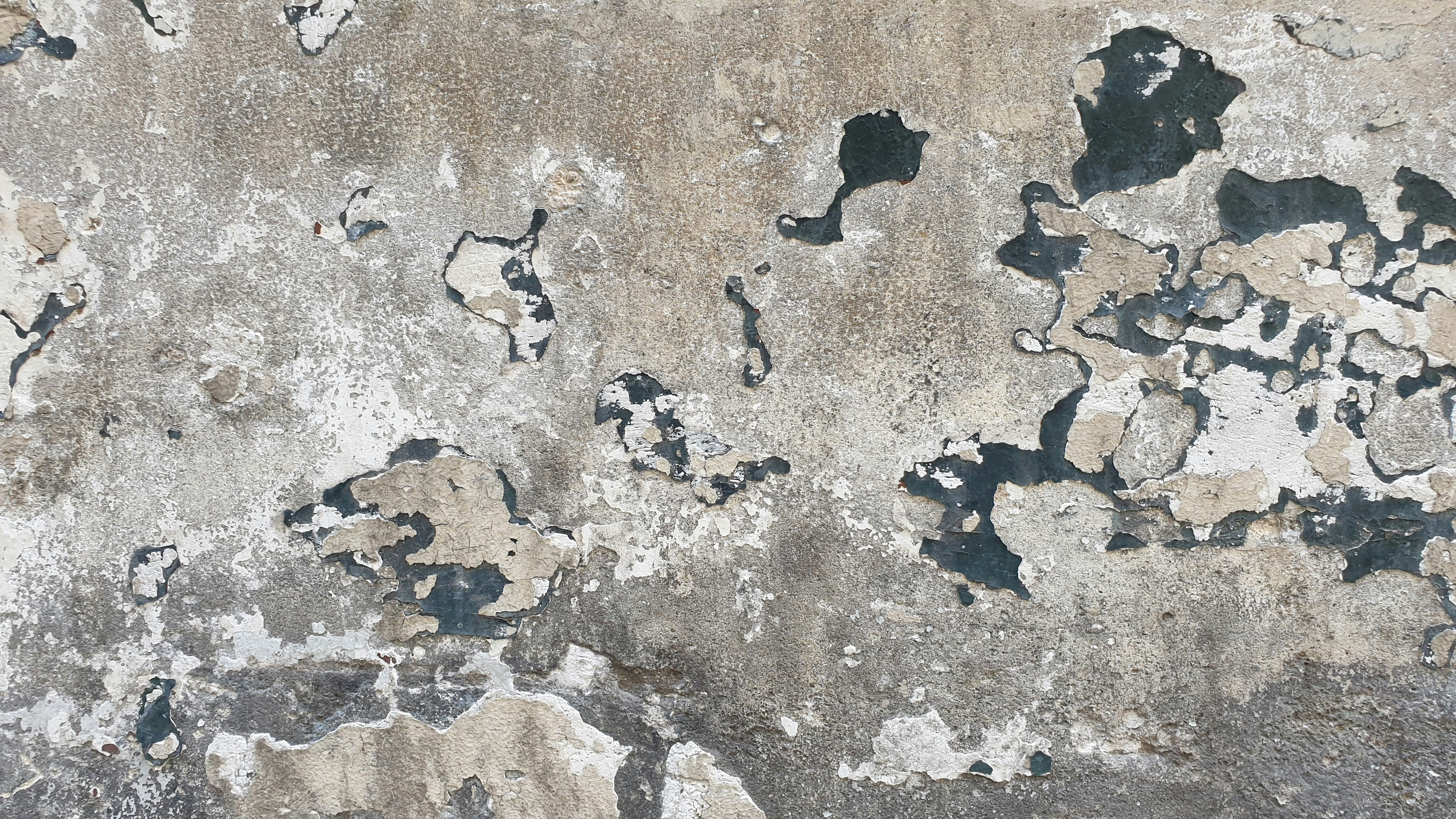
Tide marks, crumbling plaster, peeling paint, or bubbling wallpaper.
Damp around chimneys, external walls, windows, or under a bathroom/kitchen.
This often points to things like leaking pipework, broken guttering, loose roof tiles, cracked render, or faulty seals.
What condensation usually looks like
Condensation damp happens when warm, moist air hits a cold surface (like windows or external walls) and turns into water.
Common signs:
Water droplets on windows in the morning.
Black mould in corners, behind furniture, or around window frames.
Worse in winter, or in rooms with poor ventilation (bathroom/kitchen/bedroom).
A more general “clammy” feel rather than one obvious leak point.
Citizens Advice describes condensation damp as something that can happen when a property can’t deal with normal moisture levels due to lack of insulation, ventilation, heating, or a mix of these.
Why the difference matters for claims
Here’s the key: landlords can still be responsible either way. UK government guidance for rented housing providers makes clear that landlords are responsible for addressing damp and mould regardless of the type (condensation, penetrating, rising, etc.).
But in practice:
Penetrating damp is usually easier to show as a repairs failure (because it’s linked to a defect).
Condensation can get wrongly blamed on “how you live”, so your evidence needs to show the real cause like poor ventilation, failed extractor fans, inadequate heating, or building cold spots.
Quick checks you can do
To protect yourself and strengthen a claim:
Take dated photos/videos (close-up + wide shot).
Keep a simple timeline: when it started, when it worsens, and what you reported.
Note patterns: after rainfall (penetrating) vs overnight / after cooking and showers (condensation).
Report repairs in writing and keep copies.
If you’re a council or housing association tenant, Claim First explains you may be eligible if you’ve reported the disrepair and it’s still not been fixed (with damage typically needing to be at least £1,000 and first reported over 3 months ago).
Ready to take action?
If damp or mould is making your home uncomfortable or unsafe, you don’t have to just live with it. Start with Housing Disrepair Claims, browse Claim Types, or get support via Contact Claim First.
Next steps: If you’re unsure whether it’s penetrating damp or condensation and you’ve already reported the problem, start your claim today with Claim First and let the team help you work out the next step.

Categories

No Stress. Just Results.


Quick Links
Contact Info
Why choose Claim First?
Claim First supports you and your claim end to end.
Do I have to pay anything to start a claim?
No. All claims are handled on a no win, no fee basis. This means there are no upfront costs, and if your claim isn’t successful, you won’t owe anything.
What types of claims do you help with?
We assist with a range of claims, please see our services page to explain the ins and outs of the claims we cover.
How long does a claim take?
Every claim is different, but most are resolved within a few months. We’ll keep you updated every step of the way and do everything we can to move things along smoothly.
What do I need to provide to make a claim?
Typically, we’ll need some basic information and a short explanation of what happened. Don’t worry — our team will guide you through everything and help gather any documents if needed.
Will making a claim affect my credit or finances?
No. Making a legal claim through Claim First does not affect your credit score or financial standing.
We like to chat - claim updates
Get legal updates and claim tips
Claim First is a trading style of MG Financial Limited. MG Financial Limited is registered in England, Company Registration Number 6547196. The registered office address for MG Financial Limited is 31d, Burscough Street, Ormskirk, England, L39 2EG. Telephone 0800 633 5896.
MG Financial Limited is a Claims Management Company. MG Financial Limited is authorised and regulated by the Financial Conduct Authority (FRN: 832131) You can make a claim yourself for free directly to your lender, and if rejected, you can take your claim to the Financial Ombudsman Service. MG Financial Limited is registered with the Information Commissioner’s Office under registration number Z1711964.
The check is free but if you decide to pursue a claim with our chosen law firm/partner they will charge a fee in in accordance with the Financial Conduct Authority and Solicitor Regulation Authority fee cap. We may receive a fee from our law firm partner if we refer your claim to them.
No Win, No Fee. If your claim is successful, a fee of 15 - 30% plus VAT of the compensation recovered will be payable