
Blogs
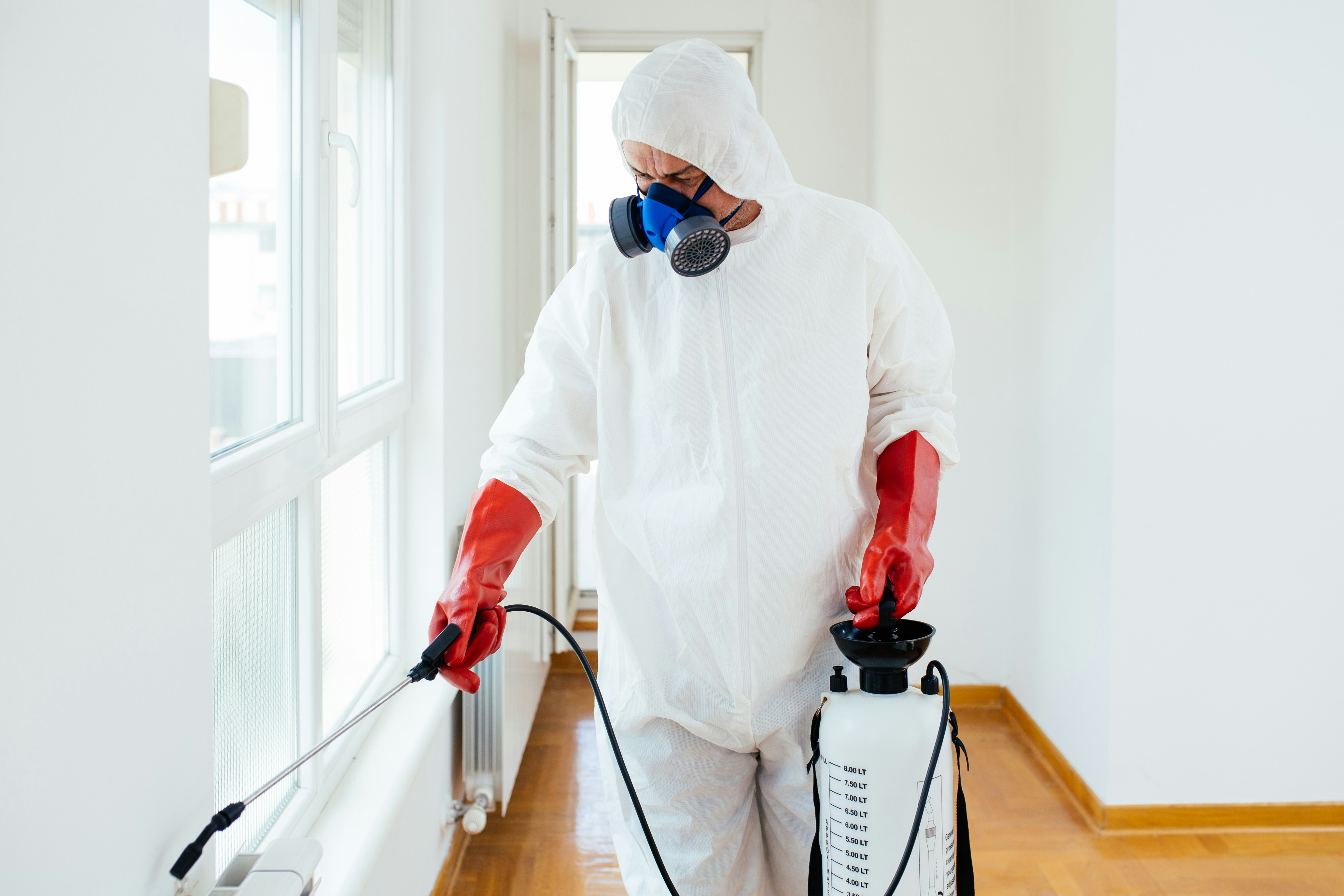
Pest Infestations: When Mice, Rats, or Cockroaches Become a Landlord Issue
Finding mice in your kitchen, rats under the floorboards, or cockroaches around food cupboards is not just unpleasant. It can make your home feel unsafe, stressful, and in some cases unfit to live in.
If you are renting and pests have become a constant problem, one of the biggest questions is simple: whose issue is it? The answer is not always black and white. Sometimes pest control is your responsibility. But when the infestation is linked to disrepair, poor building condition, unsafe drainage, gaps in walls, broken vents, damp, leaks, or landlord neglect, it can become a landlord issue very quickly.
Citizens Advice says landlords may be responsible where the infestation makes the home unsafe or where repairs they are responsible for are causing the problem, and Shelter says landlords must deal with pests if disrepair they should fix is allowing the infestation to happen.
That matters because pests are rarely just about inconvenience. Rats and mice can damage wiring, contaminate food, and spread bacteria. Cockroaches can trigger allergies and create serious hygiene concerns. Government guidance under the Housing Health and Safety Rating System recognises health and safety risks arising from housing hazards, and pest-related conditions can fall into that wider housing safety picture.
If you live in social housing and your landlord has ignored repeated complaints, Claim First positions itself in a simple, straightforward way: helping tenants push for repairs and pursue compensation where serious housing disrepair has not been put right. Their housing disrepair claims service specifically says it can help with infestations including rats and mice, alongside damp, leaks, broken heating, and unsafe electrics.
When does a pest problem become a landlord issue?
A pest problem usually becomes a landlord issue when the infestation is being caused, made worse, or allowed to continue because the property is not being properly maintained.
That might include:
holes in walls, floors, vents, or skirting boards
broken drains or damaged pipework
leaking roofs or gutters
rotten window frames or damaged doors
cracked brickwork or gaps around service entries
bin storage problems in communal areas
damp and mould conditions that attract pests
an infestation that was already there when you moved in
In those situations, the problem is not just “there are pests”. The real issue is that the condition of the property is helping pests get in or stay in.
Shelter’s guidance is especially useful here. It explains that landlords must deal with a pest infestation if it is caused by a repair they are responsible for, and they must make sure the property stays fit to live in throughout the tenancy. Government guidance for tenants on the Homes (Fitness for Human Habitation) Act also makes clear that rented homes should be fit for human habitation.
So if rats are getting in because there is a hole behind the kitchen units, or cockroaches are thriving because there is a long-standing leak your landlord never fixed, that is much more than a pest control issue. It becomes part of the wider disrepair.
When might it not be your landlord’s responsibility?
It is important to be fair about this. Not every infestation automatically means your landlord is at fault.
If pests are there mainly because of how the property is being used, a landlord may argue the issue is yours. For example:
rubbish being left to build up indoors
food being left out regularly
poor housekeeping that attracts pests
clutter creating nesting points
failing to report early signs before the issue gets worse
That does not mean landlords can ignore serious infestations. But it does mean liability often depends on the cause.
In plain English, if the building is letting the pests in, that points towards the landlord. If day-to-day living conditions inside the home are the main cause, that may point towards the tenant. Many cases sit somewhere in the middle, which is why evidence matters.
Why pests should never be brushed off as “normal”
Some landlords try to downplay infestations, especially where there are only “a few signs” at the start. But pest problems can escalate very quickly.
A mouse sighting can become a nesting problem. A rat issue in communal drains can spread through several flats. Cockroaches can multiply fast, especially where there is warmth, water, and hidden access points.
This is not a niche issue either. Research reported in 2024 said local authority pest controllers made 271,343 visits to homes with rat and mice infestations in 2023, which works out at around 743 visits a day across the UK.
On top of that, poor housing quality is still a major problem. The English Housing Survey reported that 5% of households had damp in 2023–24, and damp problems are strongly linked with poorer housing conditions and disrepair. That matters because damp, water ingress, and disrepair often sit alongside pest access problems rather than appearing on their own.
Common examples where pests and disrepair overlap
In real life, pest infestations often come bundled with other housing problems rather than appearing in isolation.
You might see mice alongside damp, mould, or leaks, because water damage and damaged materials create easy access points.
You might have rats where overflowing bins, broken drains, or cracked external walls have been left unresolved.
You might be dealing with cockroaches in a kitchen where there has been a long-standing plumbing leak, damaged flooring, or gaps behind units that have never been repaired.
You might also find that the pest issue sits alongside unsafe electrics or broken fittings, making the home even more dangerous.
That overlap is important because it helps show the infestation is part of a wider failure to maintain the property properly.
What you should do if your landlord is ignoring the problem
If you are dealing with pests in a rented home, your next steps matter.
1. Report it in writing
Do not rely only on phone calls. Email your landlord or housing provider and clearly explain:
what pests you have seen
when you first noticed them
where in the property they are appearing
any damage, smells, droppings, bites, or contamination
whether children or vulnerable people are affected
any repair issues that seem linked to the infestation
Shelter recommends reporting infestations in writing as quickly as possible, especially where structural defects or disrepair may be contributing.
2. Gather evidence
Take photographs and videos of:
droppings
gnawed materials
holes or gaps
damaged food packaging
nests
cockroach sightings
leaks, cracks, broken vents, or drainage issues
Keep copies of emails, letters, complaint references, inspection reports, and any pest control invoices.
3. Log the effect on your daily life
A simple diary can help. Note things like:
when you saw pests
whether you had to throw food away
trouble sleeping due to noise
embarrassment about visitors
worry about children’s health
any bites, rashes, stress, or asthma symptoms
damage to furniture, clothes, or appliances
That can make a big difference if you later need to show how the problem affected you.
4. Give a reasonable chance to act
Landlords do need to know about the issue before they can be expected to fix it. In many disrepair cases, their legal duty is triggered once they have been put on notice. Parliamentary briefing material on infestations in rented property notes that where disrepair has not been caused by the tenant, it will usually be for the landlord to repair the defect and deal with the infestation, but the landlord’s repairing duties are generally triggered once they are aware of the problem.
5. Escalate if nothing happens
If your landlord ignores you, delays without good reason, or sends someone out once without actually fixing the root cause, you may need to escalate the complaint.
That could include contacting your local council’s environmental health team, using the landlord’s formal complaints process, or speaking to a specialist claims firm.
If you are in council or housing association accommodation, Contact Us at Claim First to check whether your situation could fall within a housing disrepair claim.
Can you claim compensation for a pest infestation?
Potentially, yes, but not simply because you saw a mouse once.
Usually, a successful disrepair-related claim depends on showing:
there was a serious problem
your landlord knew about it, or should have known
they failed to act within a reasonable time
the infestation was linked to disrepair, poor condition, or unfitness
you suffered loss, damage, distress, inconvenience, or health effects as a result
Claim First says its housing disrepair service is aimed at tenants in council or housing association homes across England and Wales where repairs were reported but not sorted, and where the issues are causing significant damage or harm.
Compensation can vary depending on the seriousness of the issue, how long it lasted, the impact on your health and comfort, and whether belongings were damaged. In some cases, the bigger immediate win is not just compensation but finally getting the repairs and treatment done.
Does making a claim put your tenancy at risk?
A lot of tenants worry about this, and it is easy to see why. Many people stay quiet because they are worried about upsetting the landlord or making things harder.
Claim First’s housing disrepair page states that you cannot be evicted simply for making a legal claim, and its messaging is clearly designed to reassure tenants who are already feeling overwhelmed.
That said, every housing situation has its own facts. The key point is that you should not feel forced to live with rats, mice, or cockroaches just because you are afraid of speaking up.
Why timing matters
The longer an infestation goes on, the harder it can be on your home and your health.
Mice and rats can chew through materials and leave contamination behind. Cockroaches can spread quickly. The mental strain can be just as serious as the physical problem. Living in a property where you are constantly cleaning droppings, hearing scratching in the walls, or worrying about your children being exposed is not something you should have to accept as part of renting.
That is why early reporting matters so much. It creates a record. It shows you acted reasonably. And it gives the landlord the chance to put things right before the situation becomes even worse.
How Claim First fits into this
The tone of About Us is simple and direct: less jargon, less stress, and a clearer route to getting help. That fits this kind of problem well, because pest infestations are exactly the sort of issue that can leave you feeling ignored and worn down.
If your infestation is part of a wider disrepair problem, it can also help to read more about their wider services, how they approach housing disrepair claims, and how to reach the team through the contact page.
You can also look at their complaints procedure, privacy policy, terms and conditions, and accessibility information if you want more detail on how the site and service work.
Final thoughts
Pest infestations are not always just bad luck. When mice, rats, or cockroaches are getting into your home because of disrepair, neglected maintenance, broken drains, damp, leaks, or unsafe building conditions, that can become a landlord issue.
You do not need to put up with being told it is “just one of those things” if the real cause is a property that has not been properly maintained.
Report it. Keep evidence. Link the pest problem to the repairs that have been ignored. And if you are in a council or housing association home and the issue has been dragging on, check whether a Start Your Housing Claim route could help you force action and pursue compensation.
If you are tired of living with pests and your landlord still has not sorted the underlying problem, get in touch with Claim First and see whether you could make a housing disrepair claim on a no win, no fee basis.
FAQs
Is a landlord always responsible for mice or rats in a rented property?
No, not always. Responsibility usually depends on why the infestation happened. If mice or rats are getting in because of holes, broken drains, structural defects, or poor maintenance, that is much more likely to be the landlord’s issue. If the infestation is mainly linked to tenant behaviour, such as rubbish build-up or poor housekeeping, the landlord may argue it is not their responsibility. The key question is what caused the problem and whether disrepair has played a part.
Are cockroaches classed as housing disrepair?
Cockroaches themselves are not “disrepair” in the same way a leak or broken window is. But if the infestation is being caused or worsened by disrepair, such as plumbing leaks, damaged floors, gaps in walls, poor ventilation, or long-neglected communal areas, then it can form part of a housing disrepair case. The infestation and the repair issue are often closely linked.
What evidence should you keep for a pest-related landlord complaint?
You should keep photographs, videos, email complaints, text messages, inspection records, diary notes, and receipts for anything you have had to replace or pay for. Try to document both the pests and the property condition that may be letting them in. Evidence of holes, leaks, damp, cracked walls, broken vents, and drainage issues can be just as important as evidence of droppings or sightings.
Can you claim if the infestation has affected your health?
Potentially, yes. If the infestation has caused illness, stress, sleep disruption, contamination, or made an existing condition worse, that can be relevant to a claim. Keep medical records, prescriptions, appointment notes, and a diary of symptoms where possible. The more clearly you can show the effect on your daily life, the stronger your position is likely to be.
Can you make a housing disrepair claim if you rent privately?
Legal rights around pests and unfit housing can still apply in the private rented sector. However, Claim First’s housing disrepair service states that it helps tenants in council or housing association properties across England and Wales. So if you are specifically looking to use their service, check first whether your tenancy type fits their criteria.

Categories

No Stress. Just Results.


Quick Links
Contact Info
Why choose Claim First?
Claim First supports you and your claim end to end.
Do I have to pay anything to start a claim?
No. All claims are handled on a no win, no fee basis. This means there are no upfront costs, and if your claim isn’t successful, you won’t owe anything.
What types of claims do you help with?
We assist with a range of claims, please see our services page to explain the ins and outs of the claims we cover.
How long does a claim take?
Every claim is different, but most are resolved within a few months. We’ll keep you updated every step of the way and do everything we can to move things along smoothly.
What do I need to provide to make a claim?
Typically, we’ll need some basic information and a short explanation of what happened. Don’t worry — our team will guide you through everything and help gather any documents if needed.
Will making a claim affect my credit or finances?
No. Making a legal claim through Claim First does not affect your credit score or financial standing.
We like to chat - claim updates
Get legal updates and claim tips
Claim First is a trading style of MG Financial Limited. MG Financial Limited is registered in England, Company Registration Number 6547196. The registered office address for MG Financial Limited is 31d, Burscough Street, Ormskirk, England, L39 2EG. Telephone 0800 633 5896.
MG Financial Limited is a Claims Management Company. MG Financial Limited is authorised and regulated by the Financial Conduct Authority (FRN: 832131) You can make a claim yourself for free directly to your lender, and if rejected, you can take your claim to the Financial Ombudsman Service. MG Financial Limited is registered with the Information Commissioner’s Office under registration number Z1711964.
The check is free but if you decide to pursue a claim with our chosen law firm/partner they will charge a fee in in accordance with the Financial Conduct Authority and Solicitor Regulation Authority fee cap. We may receive a fee from our law firm partner if we refer your claim to them.
No Win, No Fee. If your claim is successful, a fee of 15 - 30% plus VAT of the compensation recovered will be payable